Arcadian Prairie
The Anti-Famine Letter
I fear there is a world where my own kids can't count on the grocery store and the American food system to feed them.
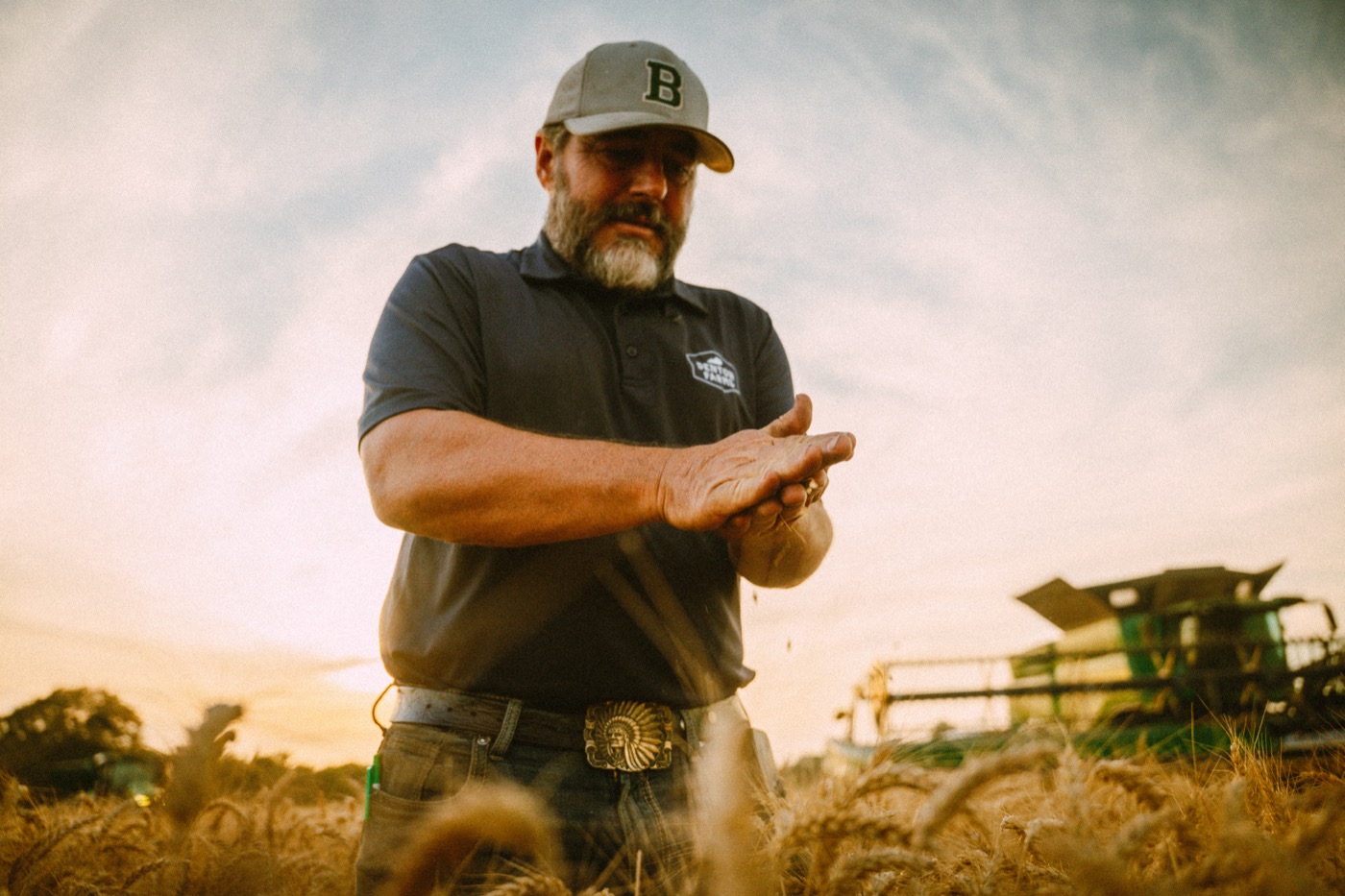
I have seen a lot of our North American food system in the past 5 years. Hundreds of farms in 30+ states. Coast to coast. Farm to processor to distributor. Crop protection, tractor production and seed development. It is truly a miracle of modern invention and I am deeply grateful for the abundance of food we have access to.
But I see the cracks. I see a globalized commodity system that has extracted the maximum value from the farmer, crops and soil. I see a largely monopolistic Ag business industry with incredibly centralized decision-making, production and genetic pools. I truly believe we are one bioengineered crop disease from major crop devastation in the US.
When I think about quitting and leaving the industry because of its stubbornness, cyclical economy and system lock-in, I look at my kids and my wife and know that if I quit there may be no one else to pick up the torch and build a better food system.
So today I am announcing our new venture. Arcadian Prairie along with our flagship products. Arcadian Prairie Grain and Flour.
I learned very quick that the biggest lever to system-wide change is finding the lever that affects the greatest subset of systems. Agriculture's primary system level that affects every decision is pricing. We can't change agriculture unless we change pricing.
We also can't change agriculture without understanding that agriculture at its heart is meant to support humans and their food systems (with a little in fibers). The day we decided it was better to grow fuel and not food began the de-foodization of agriculture.
Arcadian Prairie is thus first and foremost a food company. And a logistics company. Also a milling company. And we will farm too. The system is full of middlemen taking their cut. I think we can do with a few less of them.
Not only that, but with the advent of robotics, artificial intelligence and better software I see a world where the system in which we grow food sees a paradigm shift from cost per acre production to a revenue per acre production system. Produce can be grown in the Midwest. Two crops can be grown in the same field at once. It is currently just labor intensive. That will change. We will be ready.
I do not need to divulge my plans to you now, but all I will say is that this is my life's work. Not just for my passion's sake, but for the future of food and the US food system as we know it.
Clayton, co-founder
Why variety
Spend time with great bakers and one thing stands out: they don't work with a single flour. A good bakery might run a bread flour, a whole wheat, something heritage like einkorn or emmer, and a few specialty grains, each chosen for what it does in the dough and on the plate.
Most of the time that means buying from a patchwork of suppliers, each with their own quality, their own consistency and their own paperwork. We want to be the one source a serious baker can lean on across that range.
Why at scale
We're not a hobby farm, and we're not a label on someone else's flour. We're setting out to grow quality grain on real acreage, hold every lot to a standard serious buyers can rely on, and bring the dehulling, milling and supply under one roof.
We're starting with einkorn and emmer, grains bakers love and have struggled to source reliably, and adding to the range as we learn what our bakers and distillers need. Bakeries are where the quality shows. Distilleries are where the volume is. Growing for both is how the acres, and the business, add up.
Ruthless about the past. Ruthless about what's next.
Food is the history of humanity, and every era has something to teach about keeping people fed. We read all of it, from the first cultivated wheat to the empty shelves of 2020, through one question: what makes a food system hard to break?
Then we build forward. Old grains, new blends, a shorter chain from field to table. Serious underneath, and willing to say so out loud.
The road from here
- 1Grow
Our first crops, einkorn and emmer, are harvested. We're testing quality and yield now, planning what to add next, and we'll share what we learn.
We are here - 2Dehull
Getting every grain ready to mill, including hulled grains like einkorn and emmer, consistently and at volume.
- 3Mill
Flour and whole grain to a spec bakers and distillers can plan around, every bag with a milled-on date.
- 4Supply
Direct relationships with the bakeries and distilleries we grow for.